About Bernardo Bertolucci's Film "Last Tango in Paris". Music by Gato Barbieri.
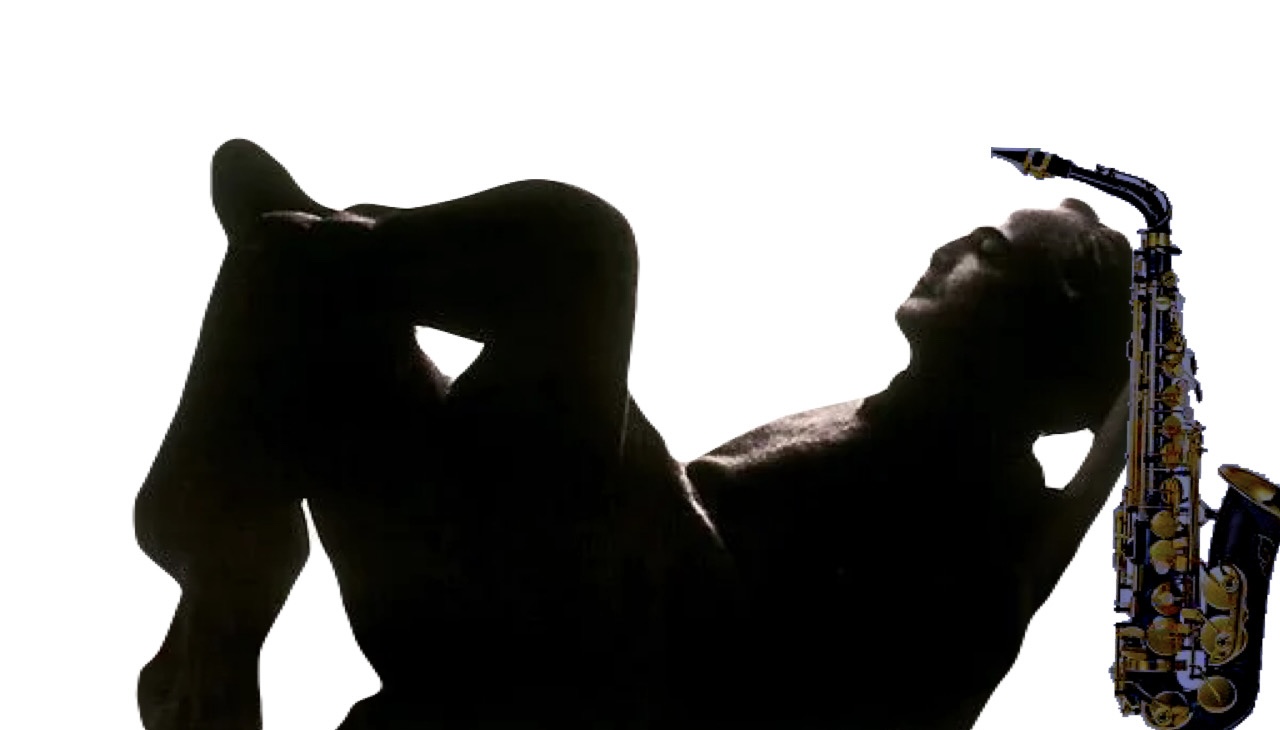
"Last Tango in Paris" is a cult film by Italian director Bernardo Bertolucci, released in 1972. Since its release, it has become not only a landmark work of its time but also a subject of endless discussions and debates regarding its themes and bold choices. The film represents a unique blend of aesthetics, dramaturgy, and profound psychological exploration, posing challenging questions about love, passion, and human isolation.
Plot and Main Themes
The central plot of "Last Tango in Paris" revolves around the tragic love affair between an American named Marcello (played by Marlon Brando) and a young French woman named Jeanne (played by Maria Schneider). Their relationship develops in Paris, set against the backdrop of an empty apartment that becomes the arena for their passion and despair. The film immerses the viewer in a world of anonymity and physical intimacy while exploring the deep psychological isolation that envelops both characters.
Marcello, who is grappling with the loss of his wife, is in a state of profound inner crisis and uses his relationship with Jeanne as a means to escape from his reality. Jeanne, in turn, seeks to find her identity and meaning in life within this emotionally scarred union. Their encounters, filled with physical closeness and passion, become attempts to alleviate their loneliness but ultimately lead to even greater alienation and pain.
Visual Style and Music
Bertolucci employs his masterful skills to create a striking visual aesthetic. The camera often focuses on the faces of the characters, allowing viewers to engage more deeply with their emotions and experiences. Skillfully planned shots, dynamic angles, and the interplay of light and shadow help emphasize the intimacy of their relationship, adding depth to the psychological portraits of the characters.
The music, composed by Giorgio Moroder, also plays a significant role in establishing the film's atmosphere. The sound, rich in sensuality and melancholy, heightens the emotional tension and helps convey the characters' internal conflicts. The music becomes an integral part of the narrative, creating a unique soundtrack for their complex relationship.
Controversies and Cultural Impact
"Last Tango in Paris" sparked a wave of discussions and even scandals upon its release, primarily due to its explicit sexual scenes. Bertolucci boldly broke the taboos of the era, making the film one of the most talked-about and then cherished works of art. Despite the criticism and mixed reactions, it managed to solidify its place in the history of world cinema and leave a profound mark on the hearts of viewers.
Critics note that "Last Tango in Paris" serves as a universal exploration of human psychology. The film provokes viewers to reflect on the nature of love, passion, and loss, as well as the difficulties of interacting with others when one's own soul is filled with pain and suffering.
In Bernardo Bertolucci's film "Last Tango in Paris," the music does not merely accompany the visual imagery; it becomes an integral part of the narrative, fostering deep emotional interaction between the characters and the audience. The composer who created the musical score for this cult film is Gato Barbieri, known for his unique style and mastery in crafting soundscapes.
Music as an Emotional Catalyst
Gato Barbieri, an Argentine composer and musician, made significant contributions to the musical atmosphere of "Last Tango in Paris." His compositions are imbued with sensuality and melancholy, perfectly aligning with the spirit of the film. The music is filled with improvisation, and the rich melodies create an intimate atmosphere that reflects the inner experiences of the characters.
The main theme of the film is a melody full of passion and longing, which seamlessly integrates with the visual imagery. This music serves not only as background but also as an essential narrative element, highlighting emotional moments and the internal conflicts of the characters. When Marcello and Jeanne meet, the melody evokes a sense of the inevitability of their attraction and the desire to avoid loneliness, making the soundscape a crucial part of their connection.
Gato Barbieri's Style
Gato Barbieri's style is distinctive, and in "Last Tango in Paris," it manifests through his characteristic blend of jazz and classical music. Barbieri employs elements of improvisation, which lends liveliness and dynamism to the music. His work is filled with emotional depth, helping viewers understand the inner world of the characters.
The use of the saxophone in the compositions creates a unique atmosphere, acting as the "voice" of the characters. The saxophone conveys both passion and tragedy, allowing the audience to feel the emotional fluctuations and intimate moments between the characters. This musical palette serves not only to support the visual narrative but also to create a layered perception of the conflict and connection between Marcello and Jeanne.
Influence and Legacy
The music in "Last Tango in Paris" became not just an accompaniment but an autonomous artistic piece that guides the viewer through the entire film. Gato Barbieri's works remain memorable and relevant, as they immerse the audience in a world of emotions and passions characteristic of the era and cultural context in which the film was created.
The film and its music continue to influence subsequent generations of directors and composers, becoming a significant artistic legacy that is discussed and explored. Barbieri's music uniquely conveys complex emotions and creates a deep connection between the characters, making "Last Tango in Paris" not only a film but also a comprehensive work of art.
The music in Bernardo Bertolucci's film "Last Tango in Paris" is not just a sound accompaniment, but an important narrative element that enriches the tale of human relationships. Gato Barbieri's works, filled with emotion and sensuality, make the film's sound design an integral part, creating an atmosphere that lingers in the minds of viewers for years. In this sense, Barbieri and Bertolucci together created a work of art that continues to inspire and move, raising important questions about love, passion, and isolation.
"Last Tango in Paris" is not simply a film about physical love; it is a profound exploration of human relationships and self-understanding. With powerful performances, expressive visual style, and provocative content, Bertolucci created a work of art that continues to resonate with audiences even decades after its release. This film remains a significant milestone in cinema history, raising timeless questions about humanity, passion, and the quest for connection in a world filled with loneliness. Ultimately, "Last Tango in Paris" conveys not only the intimate emotions of its characters but also reflects universal human experiences that are relevant to all times.


Comments
Post a Comment